Embracing Withdrawal: The Strength in Healing Through Reflection
- Sep 4, 2025
- 4 min read
🌀 Pulling Back While Healing
When I am hurt and healing, I tend to pull back. I become quieter, less communicative. I don’t want to talk out my problems or scream about them. Instead, I want to feel the emotions they stir, notice what they activate inside of me, and give myself space to process and heal.
🧠 A Medical / Psychological Perspective
This instinct to withdraw isn’t weakness — it’s actually a natural nervous system response. When the body and brain perceive stress or emotional pain, they often shift into what’s known as the “tend and befriend” vs. “fight or flight” vs. “freeze” spectrum of coping:
🧠 The Science Behind It
Psychologist Shelley Taylor and colleagues in the early 2000s introduced the phrase. They noticed that especially in women (but not exclusively), stress responses often looked different than just fighting or running away.
Instead of aggression or escape, people sometimes respond by:
Tending → Nurturing, caregiving, soothing themselves or others.
Befriending → Seeking social connection and support as protection.
This response is believed to be linked to oxytocin, the “bonding hormone,” which rises during stress (particularly in women) and encourages connection rather than isolation or aggression.
🌟 Why It Matters
Fight-or-Flight = survival through action (fight) or avoidance (flight).
Freeze = survival through shutting down, conserving energy.
Tend-and-Befriend = survival through connection and care.
In modern life, this can look like:
Calling a friend when you’re overwhelmed.
Caring for your kids or pets as a calming focus.
Turning toward your community or spiritual group for comfort.
Seeking safe people and places rather than withdrawing completely.
🌈 In Healing Terms
“Tend and befriend” is the nervous system saying:✨ “I can’t do this alone. Safety comes from care and connection.”
It shows that healing is not only about inner work, but also about leaning on relationships and community as a resource for resilience.
Pulling back can be a way of letting your parasympathetic nervous system (the “rest and repair” branch) take over. This allows your body to reduce stress hormones like cortisol and shift into a state where emotional and physical healing is possible.

💜 Why Feeling the Emotions Matters
When you sit with emotions rather than avoiding or exploding them, you are:
Allowing the limbic system (the emotional center of the brain) to fully register the experience.
Giving your prefrontal cortex (thinking/planning part of the brain) time to integrate meaning.
Supporting emotional regulation, which reduces the risk of “bottling up” feelings that later resurface as anxiety, irritability, or even physical symptoms.
In other words: you are not suppressing. You are metabolizing. 🌱
🌈 Healing as Integration
Your process of feeling, reflecting, and tracing emotions back to their roots is a form of self-directed therapy. It allows for deeper integration — transforming experiences into wisdom, instead of leaving them as open wounds.
Some people heal by talking things out loudly, others by journaling, and others by quiet reflection. All are valid. Your style of pulling back is your nervous system’s way of creating a safe internal space for repair.
✨ In short: When you withdraw during healing, you’re not shutting down — you’re giving your mind, heart, and body the conditions they need to process, restore balance, and emerge stronger.
🔹 Why We “Push Through”
Many of us were taught — by culture, family, work, or even ourselves — that the only way to deal with hardship is to keep moving, keep producing, keep showing up no matter what.
From a medical/psychological standpoint, pushing through pain or stress often activates the sympathetic nervous system (fight-or-flight mode). Stress hormones like adrenaline and cortisol rise, allowing you to “perform” in the short-term. It can feel productive, like you’re conquering the problem.
But here’s the catch: your body never gets the signal that it’s safe to rest.
🔹 Why It Becomes Unhealthy
When we push through instead of slowing down:
Chronic Stress: The body stays flooded with cortisol, which over time can weaken the immune system, disrupt sleep, and cause inflammation.
Emotional Suppression: Feelings don’t vanish; they get stored in the body. This can manifest later as anxiety, depression, irritability, or even physical illness.
Burnout: Constantly overriding the need to pause drains energy reserves, leading to exhaustion or emotional numbness.
Disconnection: Pushing through often means ignoring inner signals. Over time, it can create a sense of disconnection from self and others.
In short: pushing through may look strong on the outside, but it silently erodes resilience on the inside.
🔹 How Color Wellness Can Support Healing
Color Wellness invites you to partner with your nervous system instead of overriding it. Different hues can help you honor what you’re feeling, soothe your body, and gently guide your healing process:
❤️ Red – Helps when exhaustion tempts you to shut down. Provides grounding and energy, but in moderation (too much red can overstimulate).
🧡 Orange – Encourages playfulness and release. Helps soften rigid “must push through” patterns by inviting creativity and joy.
💛 Yellow – Boosts mood and motivation, reminding you that healing can include lightness and optimism rather than just struggle.
💚 Green – Balances the heart and calms the nervous system. Supports rest and repair, countering stress from “always on” pushing.
💙 Blue – Soothes the mind, lowers tension, and creates inner space for reflection instead of constant doing.
💜 Purple/Indigo – Encourages deeper introspection and connection with intuition — aligning you with what you truly need instead of what you feel forced to do.
🌸 Pink – Cultivates compassion and gentleness, reminding you that rest is not weakness but love for yourself.
✨ Putting It Together
Healing isn’t about ignoring responsibilities, but about creating space for integration, rest, and renewal. Where pushing through forces the body into survival mode, allowing yourself to pull back and bringing in the support of color makes healing a conscious, nurturing process.
🌈 Instead of pushing, you’re now partnering with your own body — and that is the deepest form of strength.


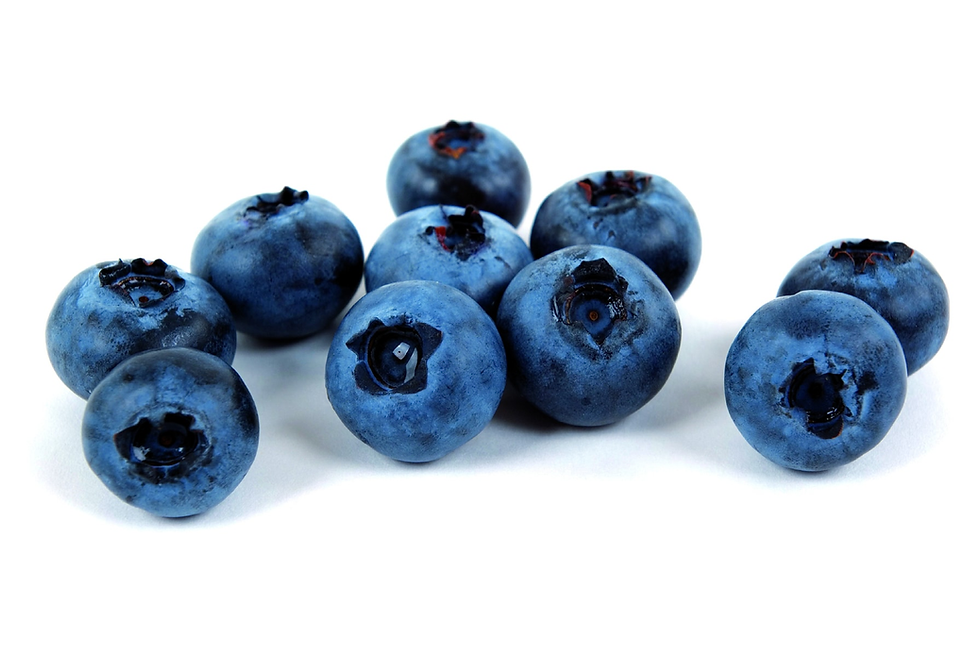
Healing is difficult, pulling back is sometimes necessary.